Sarees are admired for their beauty, elegance, and connection to South Asian culture. They are worn at weddings, Eid celebrations, Diwali parties, religious events, family gatherings, graduations, birthdays, and many other special occasions.
However, many shoppers—especially those living in the USA—have one important question:
Should I buy a ready-to-wear saree or a traditional saree?
Both options can look beautiful, but they offer different experiences. A traditional saree gives you more freedom to choose your draping style, while a ready-to-wear saree is designed to save time and make dressing easier.
The right choice depends on your experience, lifestyle, body shape, occasion, and personal preference.
In this guide, we will explain the difference between ready-to-wear sarees and traditional sarees so you can confidently choose the best option for you.
What Is a Traditional Saree?
A traditional saree is usually a long piece of fabric that is approximately five to nine yards in length, depending on the saree style and region.
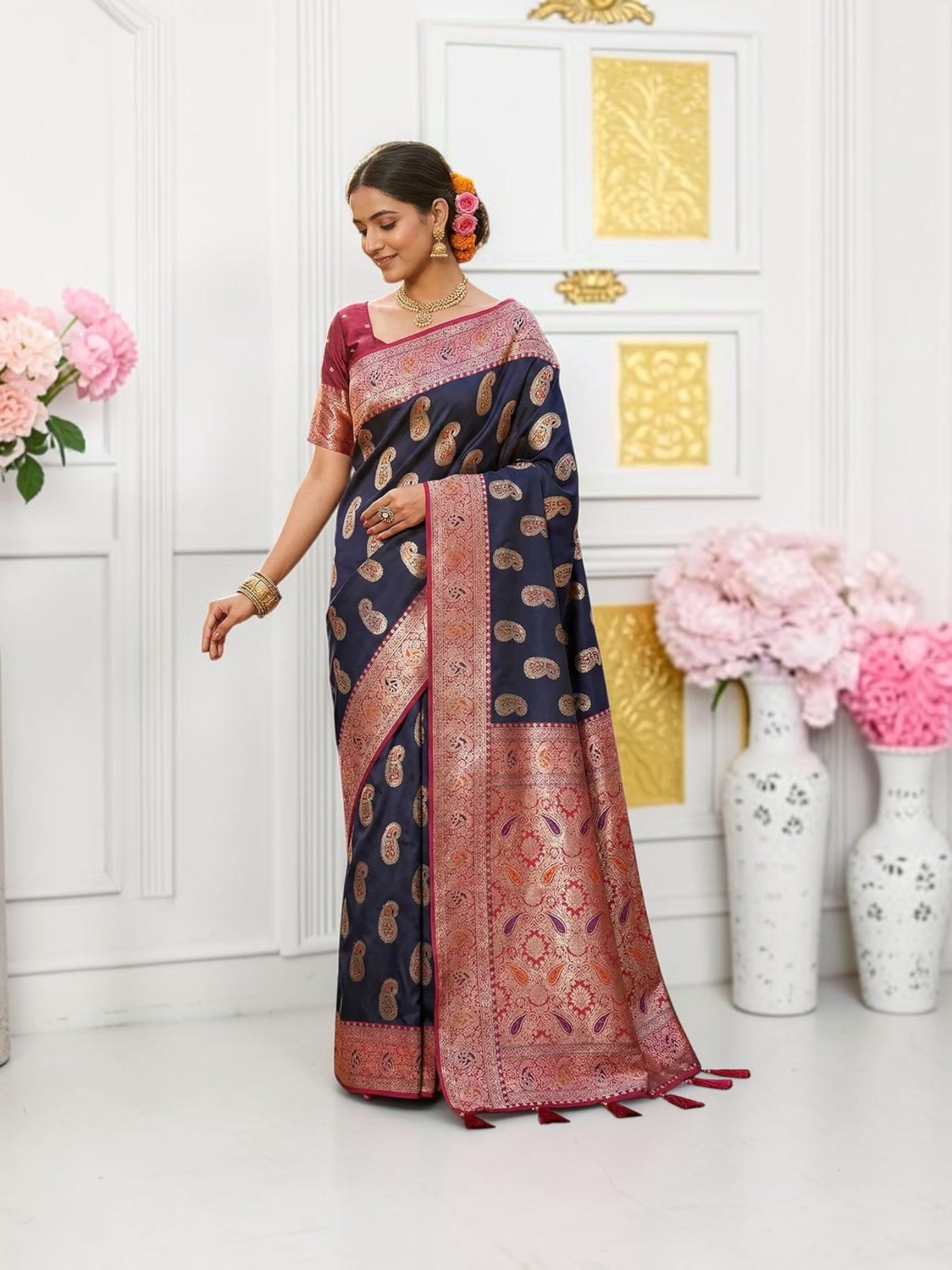
It is not shaped like a dress or skirt. Instead, the fabric is wrapped around the waist, pleated in the front, and draped over the shoulder. The decorated end of the saree is called the pallu.
A traditional saree is normally worn with:
- A fitted blouse
- A petticoat or underskirt
- Safety pins or saree pins
- Accessories such as jewelry, bangles, and heels
Traditional sarees are available in many fabrics, including silk, cotton, georgette, chiffon, organza, linen, net, and crepe.
They may also feature embroidery, zari work, stone work, sequins, prints, lace borders, or handwoven designs.
What Is a Ready-to-Wear Saree?
A ready-to-wear saree, also called a pre-stitched saree or ready saree, is designed to reduce or remove the need for traditional draping.
The pleats are often already stitched into place, and the saree may be designed like a wrap-around skirt. Depending on the design, you may simply need to:
- Step into or wrap the saree.
- Secure it around your waist.
- Arrange the pallu over your shoulder.
- Add a few pins if needed.
Some ready-to-wear sarees also include a matching ready blouse, making the complete outfit easier to wear.
A ready-to-wear saree can create the elegant appearance of a traditional saree without requiring advanced draping skills.
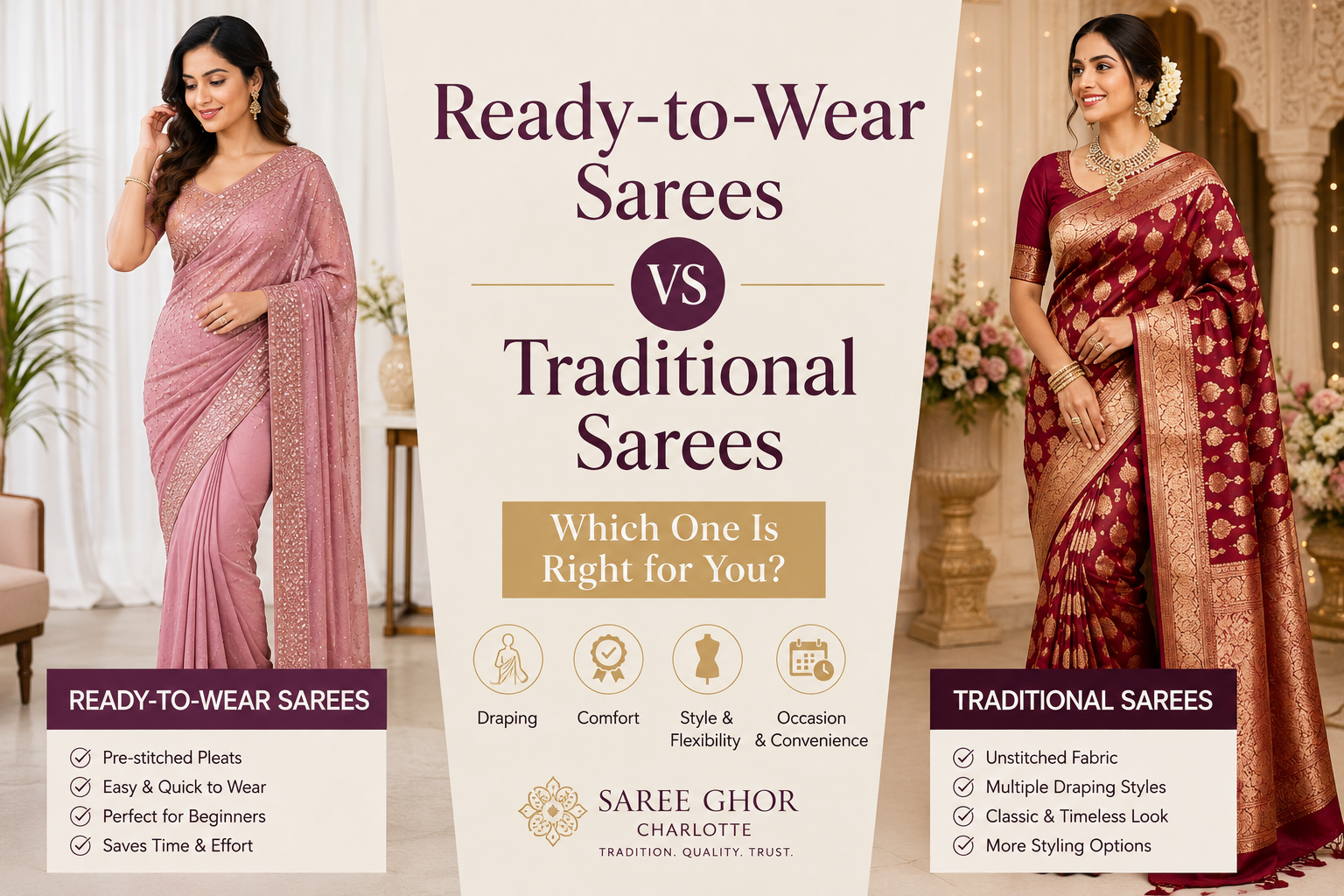
Ready-to-Wear Sarees vs Traditional Sarees: Quick Comparison
| Feature | Ready-to-Wear Saree | Traditional Saree |
|---|---|---|
| Draping time | Usually a few minutes | Often 10–30 minutes |
| Skill required | Beginner-friendly | Practice may be needed |
| Pleats | Usually pre-stitched | Made by hand |
| Styling options | More limited | Many draping styles |
| Fit | Must match your waist and length | More adjustable |
| Convenience | Very convenient | Requires more preparation |
| Best for | Beginners and busy shoppers | Experienced saree wearers |
| Travel-friendly | Easy to pack and wear | May require more accessories |
| Traditional experience | Modern and simplified | Classic and authentic |
| Rewear flexibility | Moderate | High |
The Main Difference: Draping
The biggest difference between the two options is how they are worn.
With a traditional saree, you create the pleats yourself and arrange the fabric around your body. The final appearance depends on how neatly the saree is draped.
With a ready-to-wear saree, the main pleats are already created. This reduces the amount of work needed and helps the saree maintain its shape.
For someone who has never worn a saree before, a ready-to-wear design may feel much easier and less stressful.
For someone who enjoys traditional styling and knows how to drape a saree, the traditional option may provide greater freedom.
Which Saree Is Better for Beginners?
A ready-to-wear saree is usually the better choice for beginners.
Traditional saree draping can take practice. The wearer must learn how to:
- Tuck the saree securely
- Create even pleats
- Adjust the length
- Arrange the pallu
- Use pins correctly
- Keep the saree comfortable while walking
This may feel difficult for first-time wearers, especially when preparing for an important event.
A ready-to-wear saree removes many of these challenges. Since the pleats are already stitched, the saree is more likely to look neat and stay in place.
It can be a great option for:
- Teenagers wearing a saree for the first time
- Women who did not grow up wearing sarees
- Customers attending their first South Asian event
- Bridesmaids who need a similar look
- Busy mothers
- Anyone who does not have help with draping
Which One Takes Less Time to Wear?
A ready-to-wear saree is much faster to put on.
Depending on the design, it may take only a few minutes. You can secure the waist, position the pallu, add your accessories, and be ready.
A traditional saree may take longer, especially if:
- You are new to saree draping.
- The fabric is slippery.
- You want perfectly even pleats.
- You are wearing a detailed or heavy saree.
- You need someone else to help you.
For busy events, a ready saree can reduce preparation time and help you avoid last-minute stress.
Which One Offers More Styling Options?
A traditional saree offers more styling flexibility.
Because the fabric is not permanently stitched into one shape, you can experiment with different draping styles. Depending on the fabric and saree length, you may try:
- Nivi drape
- Bengali drape
- Gujarati drape
- Seedha pallu
- Belted saree style
- Open pallu
- Pleated pallu
- Modern dhoti-inspired drape
- Lehenga-style drape
You can also change the blouse, belt, jewelry, petticoat, and pallu arrangement to create different looks with the same saree.
A ready-to-wear saree usually has a fixed shape. You may still change the blouse and accessories, but the main drape will remain similar.
Therefore, traditional sarees are often better for shoppers who enjoy experimenting with fashion.
Which One Fits Better?
The answer depends on the individual saree.
Traditional Saree Fit
Traditional sarees offer greater adjustability because the fabric is wrapped around your body. You can control:
- The tightness around the waist
- The number and width of pleats
- The saree length
- The pallu length
- The overall draping style
This makes traditional sarees more flexible for different body shapes and sizes.
However, the blouse must still fit correctly. The petticoat should also fit securely around the waist.
Ready-to-Wear Saree Fit
Ready-to-wear sarees are often made for a specific waist range or size. Since the pleats are already stitched, there may be less room for adjustment.
Before purchasing, carefully review:
- Waist measurement
- Hip measurement
- Saree length
- Blouse size
- Closure type
- Adjustable hooks or drawstrings
- Product-specific sizing notes
At Saree Ghor Charlotte, products are individually measured whenever possible so customers can compare the listed measurements with their own measurements before ordering.
Do not choose a ready saree based only on your usual dress size. Always check the actual measurements provided on the product page.
Which One Is More Comfortable?
Both can be comfortable when worn correctly.
A ready-to-wear saree may feel more secure because the pleats are stitched and less likely to become loose. This can make walking, sitting, and moving around easier.
A traditional saree can also be very comfortable, especially when it is draped according to your body shape. You control the tightness and placement of the fabric.
Comfort also depends on the fabric.
For example:
- Georgette is lightweight and flows beautifully.
- Chiffon feels soft and creates a graceful drape.
- Cotton is breathable and suitable for longer events.
- Silk creates a rich, formal appearance but may feel heavier.
- Organza has a structured look and may require careful pleating.
- Net sarees can look glamorous but may include heavier embellishments.
The best option is a saree that fits well, suits the weather, and allows you to move comfortably.
Which One Is Better for Weddings?
Both ready-to-wear and traditional sarees can be suitable for weddings.
Choose a Ready-to-Wear Saree for a Wedding When:
- You are a wedding guest.
- You have limited time to get ready.
- You are not confident in saree draping.
- You will be moving around frequently.
- You are traveling for the wedding.
- You want a polished look without professional help.
Ready sarees with embroidery, stone work, sequins, lace borders, or ready blouses can look elegant enough for weddings and formal receptions.
Choose a Traditional Saree for a Wedding When:
- You enjoy classic South Asian styling.
- You want a specific regional drape.
- You are the bride or a close family member.
- You have someone available to help with draping.
- You want to customize the blouse and pallu.
- You are wearing Banarasi, Kanjivaram, Jamdani, or another traditional style.
Traditional sarees often remain a popular choice for ceremonies because of their cultural importance and timeless appearance.
Which One Is Better for Parties?
A ready-to-wear saree is an excellent choice for parties.
It can be particularly useful for:
- Eid gatherings
- Diwali celebrations
- Birthday parties
- Anniversary dinners
- Graduation celebrations
- Engagement parties
- Baby showers
- Office cultural events
- Holiday gatherings
The saree can usually be worn quickly and may remain secure throughout the event.
Traditional sarees are also suitable for parties, especially for experienced wearers who want more control over the look.
Which One Is Better for Travel?
Ready-to-wear sarees can be easier for travel because you do not need to spend as much time creating and securing pleats.
They can be useful when attending an out-of-state wedding, family event, or cultural celebration.
You may only need to pack:
- The ready saree
- The blouse
- Basic pins
- Jewelry
- Shoes
With a traditional saree, you may also need a petticoat, additional pins, and help with draping.
However, traditional sarees may be easier to fold flat, depending on the fabric and embellishments. A pre-stitched saree should be packed carefully so the stitched pleats do not become crushed.
Which One Looks More Traditional?
A traditionally draped saree usually provides the most classic and authentic appearance.
The hand-created pleats, adjustable pallu, and regional draping options are part of the traditional saree-wearing experience.
However, modern ready-to-wear sarees can look very similar once worn. From a distance, many people may not even realize that the pleats are pre-stitched.
The final appearance depends on:
- Fabric quality
- Saree design
- Blouse fit
- Pleat placement
- Accessories
- Hair and makeup
- Overall styling
A well-fitted ready saree can look just as elegant and impressive as a traditionally draped saree.
Are Ready-to-Wear Sarees Only for Young Women?
No. Ready-to-wear sarees can be worn by women of different ages.
They can be especially helpful for anyone who wants a faster and more manageable dressing experience.
They may benefit:
- Young first-time saree wearers
- Working professionals
- Mothers with young children
- Older women who find long draping difficult
- Women with limited mobility
- Wedding guests traveling from another city
- Anyone who wants a simple saree option
Choosing convenience does not reduce the beauty or cultural value of the outfit.
Can You Reuse a Ready-to-Wear Saree?
Yes. A good ready-to-wear saree can be worn multiple times.
You can create a different appearance by changing:
- The blouse
- Jewelry
- Belt
- Handbag
- Shoes
- Hairstyle
- Makeup
- Pallu arrangement, when adjustable
Before storing it, carefully fold the saree along the existing pleats. Avoid placing heavy items on top of it.
Follow the care instructions for the specific fabric. Heavily embroidered or delicate sarees may require dry cleaning.
Advantages of Ready-to-Wear Sarees
Ready-to-wear sarees offer several benefits:
Easy for Beginners
You do not need advanced draping skills.
Saves Time
The pleats are already prepared, making it faster to get dressed.
More Secure
Stitched pleats are less likely to move or become loose.
Convenient for Travel
They are useful for destination weddings and out-of-state events.
Consistent Appearance
The drape usually looks similar each time you wear it.
Helpful for Group Events
Bridesmaids, dancers, or family members can achieve a coordinated look more easily.
Disadvantages of Ready-to-Wear Sarees
There are also a few limitations:
Less Adjustable
The stitched waist and pleats may only fit a certain size range.
Fewer Draping Options
You cannot always change the saree into a completely different style.
Accurate Measurements Are Important
An incorrect waist or length can affect the overall fit.
Alterations May Be Needed
Some designs may require tailoring if your measurements fall between sizes.
Advantages of Traditional Sarees
Traditional sarees remain popular for many reasons:
Flexible Fit
The fabric can be adjusted around your body.
Multiple Draping Styles
You can create different looks with the same saree.
Strong Cultural Connection
Traditional draping remains an important part of South Asian fashion.
Easy to Restyle
You can pair the saree with different blouses and accessories.
Timeless Value
Many traditional sarees can be preserved and passed down through generations.
Disadvantages of Traditional Sarees
Traditional sarees may have a few challenges:
Draping Takes Practice
Beginners may need help.
Longer Preparation Time
Creating neat pleats can take time.
Pleats May Move
Incorrect pinning can cause the saree to loosen.
More Pieces Are Required
You normally need a blouse, petticoat, and pins.
How to Choose Between a Ready-to-Wear and Traditional Saree
Ask yourself the following questions before buying.
1. Have You Worn a Saree Before?
A ready-to-wear saree may be easier if this is your first time.
2. How Much Time Will You Have?
Choose a ready saree when you need a faster option.
3. Do You Know Your Measurements?
Ready-to-wear sarees require careful size selection.
4. Do You Want Different Draping Styles?
Choose a traditional saree for maximum styling flexibility.
5. Will You Have Help Getting Ready?
A traditional saree may be easier if an experienced person can assist you.
6. What Type of Event Are You Attending?
Both options work for weddings and parties. Choose based on the desired look and level of formality.
7. Will You Be Traveling?
A ready saree may simplify preparation while traveling.
Ready-to-Wear Saree or Traditional Saree: Final Recommendation
There is no single option that is best for everyone.
Choose a ready-to-wear saree if you:
- Are new to sarees
- Want to get dressed quickly
- Prefer stitched pleats
- Need a secure, easy-to-manage fit
- Are traveling to an event
- Do not have help with draping
Choose a traditional saree if you:
- Enjoy draping sarees
- Want more styling options
- Prefer a classic look
- Need greater size flexibility
- Want to try regional draping styles
- Enjoy customizing every detail
Many saree lovers keep both options in their wardrobes. A ready saree is convenient for busy days, while a traditional saree offers flexibility for weddings, ceremonies, and special occasions.
Shop Sarees Online in the USA
At Saree Ghor Charlotte, customers can explore beautiful South Asian clothing without waiting for long international shipping.
We are a family-owned business based in Charlotte, North Carolina, serving customers across the USA.
Depending on availability, our collections may include:
- Ready-to-wear sarees
- Traditional sarees
- Sarees with ready blouses
- Party-wear sarees
- Silk sarees
- Georgette sarees
- Wedding sarees
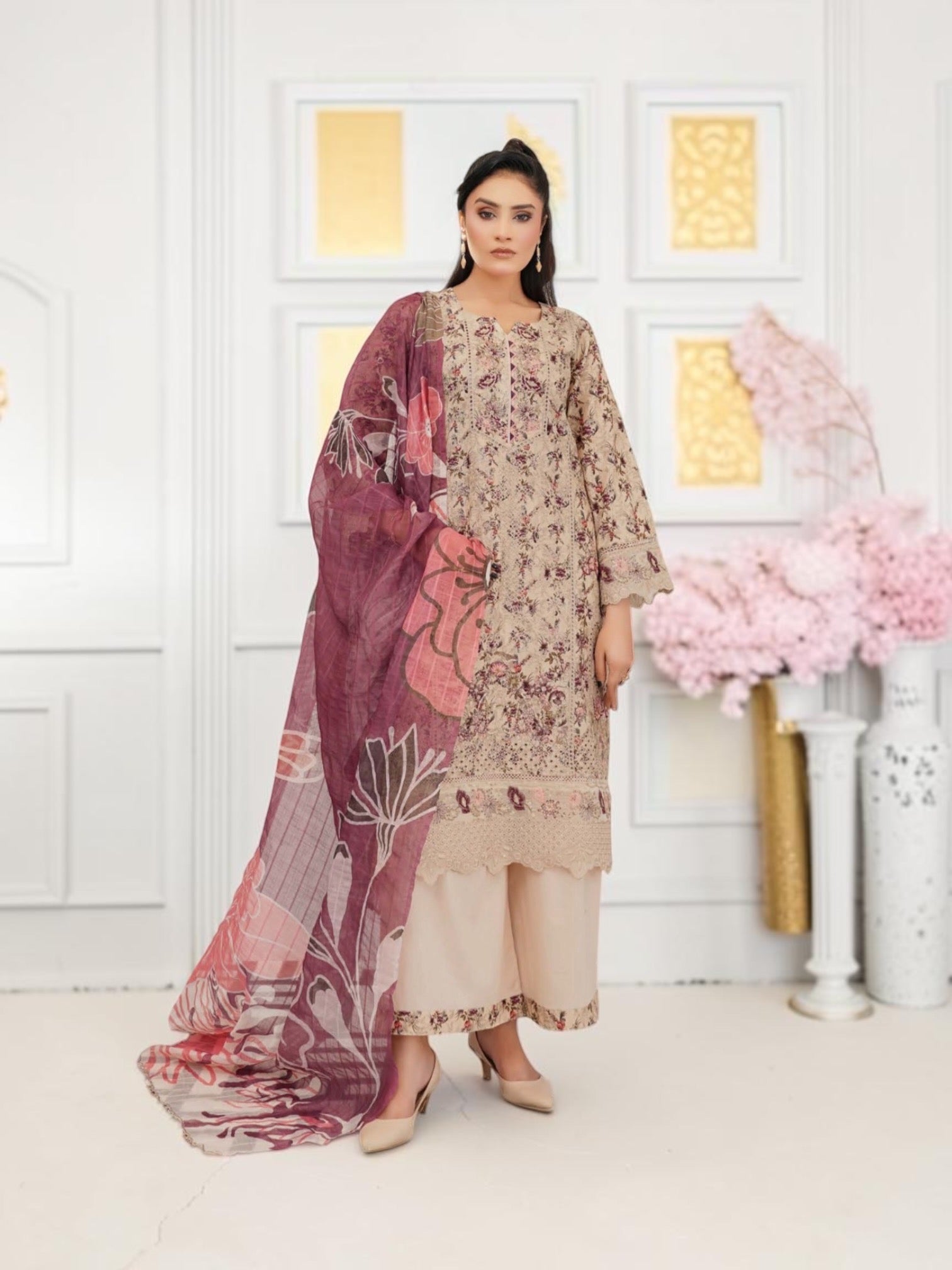
- Pakistani salwar kameez
- Gowns, kurtis, and other South Asian outfits
Our products ship from the USA, with most orders delivered within approximately 2–4 business days.
Every item is carefully inspected before shipping, and product measurements are provided to help customers shop with greater confidence.
Explore the latest saree collection at SareeGhorCharlotte.com and find an outfit that matches your style, comfort, and occasion.
Frequently Asked Questions
What is the difference between a ready-to-wear saree and a traditional saree?
A ready-to-wear saree has pre-stitched pleats and is designed to be worn quickly. A traditional saree is an unstitched length of fabric that must be wrapped and pleated by hand.
Are ready-to-wear sarees good for beginners?
Yes. They are one of the easiest saree options for beginners because most of the pleating work has already been completed.
Do ready-to-wear sarees come with blouses?
Some do, while others are sold without a blouse. Always read the product description to confirm what is included.
Can a ready saree be altered?
Many ready sarees can be adjusted by a tailor, but the possibility depends on the stitching, fabric, and design.
Are pre-stitched sarees suitable for weddings?
Yes. Embroidered, sequined, stone-work, silk, and designer ready sarees can be suitable for wedding guests, receptions, engagement parties, and other formal events.
What should I wear under a ready-to-wear saree?
This depends on the design. Some styles may require a petticoat, shapewear, or underskirt, while others are designed to be worn without a separate petticoat. Check the product instructions.
Which saree is better for plus-size women?
Both styles can work beautifully. Traditional sarees offer more adjustment, while ready sarees can provide a secure, structured drape when the correct size is selected.
Can I wear a traditional saree without professional help?
Yes. With practice, tutorials, and proper pinning, many people learn to drape a traditional saree themselves.
How long does it take to wear a ready-to-wear saree?
Many ready sarees can be worn in a few minutes, although the exact time depends on the design and whether the blouse and accessories are already prepared.
Where can I buy ready-to-wear sarees in the USA?
You can explore USA-shipped sarees and South Asian clothing through Saree Ghor Charlotte at SareeGhorCharlotte.com.